Are Log Burners Good For The Environment ?
Are Log Burners Good For The Environment ?
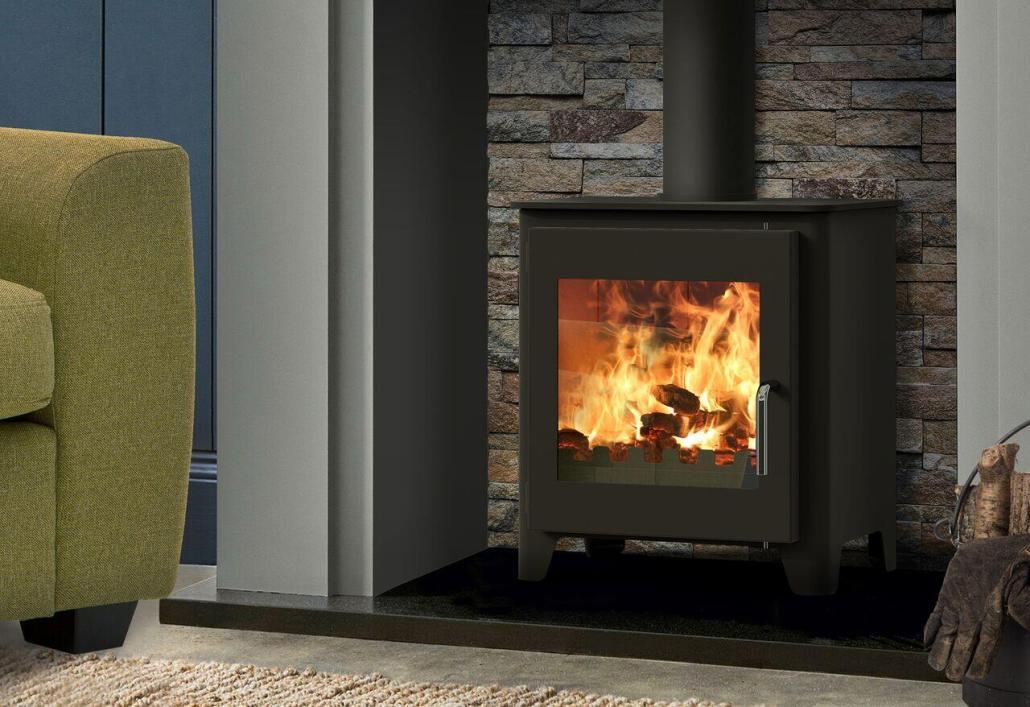
Wood-burning stoves are good for the environment when they are used correctly, fitted properly, and fuelled with the right type of wood. While they still need responsible use, a modern stove is more efficient and sustainable. A great way to heat a home rather than relying only on fossil-fuel heating.
One of the main environmental benefits is that wood is a renewable fuel. Trees can be replanted and managed through sustainable forestry, meaning the supply can be renewed over time.
For example, if a household buys logs from a local supplier who uses managed woodland, the wood can come from trees that are replaced by new planting. This creates a natural cycle, rather than depending on coal, oil, or gas, which are limited resources.
Eco Log Burners Use Less Fuel
A good modern wood-burning stove is also much more efficient than an open fire. An open fire loses a large amount of heat straight up the chimney. Whereas a stove is designed to hold and release heat into the room. This means less fuel is needed to produce the same warmth. For example, one basket of properly seasoned logs in a stove may heat a living room for several hours, while an open fire may need constant feeding to achieve a similar result.
Wood-burning stoves can also help reduce a household’s reliance on central heating. During colder months, many people use a stove to warm the main room they are sitting in, instead of heating the whole house. This can reduce energy use, especially when only one or two rooms are being used.
Another benefit is that wood can be sourced locally. Local logs reduce the need for long-distance transport. This helps cut down fuel use and emissions from delivery. Using dry, seasoned wood is especially important because it burns hotter and cleaner than damp wood.
For the best environmental outcome, homeowners should use a modern efficient stove, burn only dry untreated wood. And have the chimney swept regularly, and avoid burning painted or waste timber.
Like to discuss your options?
Please do get in touch and one of our expert engineers (HETAS) registered will be happy to assist you.