Is A Log Burner A Good Investment

Can I increase the value of my property?

Installing a wood stove can potentially increase the value of your property, but the level of impact depends on the type of home, location, installation quality, and what buyers in your area are looking for.

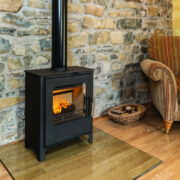
A professionally (HETAS) registered installed wood stove can make a property feel warmer, more characterful, and more energy conscious. For many buyers, especially in rural, semi-rural, or older homes, a wood stove is seen as a desirable feature. It can create a strong focal point in a living room and add a sense of comfort that standard heating alone may not provide.

Very practical

There is also a practical benefit. With energy costs remaining a concern for many households, buyers may value having an additional heat source. A wood stove can reduce reliance on central heating, particularly during colder months, and this can make the home feel more efficient and resilient.

The stove must be installed correctly, comply with all relevant building regulations, and come with proper certification. Poor installation, lack of paperwork, or an unsuitable stove could reduce buyer confidence rather than improve it. Buyers may also consider ongoing costs such as chimney maintenance, fuel storage, servicing, and insurance requirements.

The style of the property matters too. In a cottage, farmhouse, country home, or period property, a wood stove may strongly enhance appeal. In a modern flat or highly urban property, the impact may be smaller, and some buyers may be more concerned about emissions, air quality, or local restrictions.

Overall, a wood stove is more likely to improve saleability than dramatically increase the formal valuation. It can help your property stand out, make rooms feel inviting, and strengthen emotional appeal during viewings. If installed to a high standard, with the right stove for the size and style of the home, it can be a worthwhile improvement.

Like to discuss your options?

Please do get in touch and one of our expert engineers (HETAS) registered will be happy to assist you.
How Does A Log Burner Work ?

How Does A Log Burner Work ? How the get the best out of your wood stove

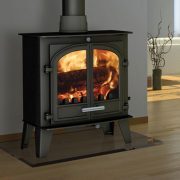
Getting the best efficiency from a log burner starts with using the right fuel. Always burn dry, well-seasoned wood with a moisture content below 20%. Wet logs waste heat because much of the energy is used to boil off water, causing poor heat output, excess smoke, tar build-up and dirty glass. Hardwood such as oak, ash, beech and birch usually burns longer and hotter than softwood, although properly dried softwood can be useful for kindling.

Air flow is vital

Good airflow is also essential. When lighting the stove, open the air vents fully to get a strong flame quickly. Once the fire is burning well, reduce the airflow gradually, but never shut it down so much that the fire smoulders. A bright, active flame is more efficient than a slow, smoky burn. Smouldering fires create soot, waste fuel and increase chimney deposits.

Don’t overload your stove!

Load the stove correctly. Do not overfill it, as this can restrict airflow and reduce efficiency. Add one or two logs at a time and allow enough space for air to circulate. Smaller logs usually burn more cleanly than very large pieces because they catch faster and reach a better temperature.

Keep the stove and chimney clean. Empty excess ash regularly but leaving a thin ash bed can help maintain heat in some stoves. Clean the glass and check the door seals, because poor seals allow uncontrolled air into the stove and reduce performance. The chimney should be swept at least once a year, or more often if the stove is heavily used.

Finally, use the stove thermometer if you have one. Running the burner in the correct temperature range helps avoid both under-burning and over-firing. A well-maintained stove, dry logs and careful airflow control will give more heat, use less fuel and keep the appliance safer for longer.

Like to discuss your options?

Please do get in touch and one of our expert engineers (HETAS) registered will be happy to assist you.
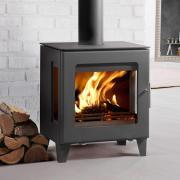
I Need A New Log Burner

I Need A New Log Burner. Want a new wood stove for your home?

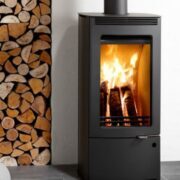
Choosing a new wood stove for your home starts with choosing the right size. A stove that is too small will struggle to heat the room, while one that is too powerful can make the space uncomfortable and encourage poor burning. As a rough guide, measure the room and ask a qualified installer or stove supplier to calculate the correct kilowatt output.

Next, check the rules in your area. Many parts of the UK are smoke control areas. In those areas, you must use an approved appliance or authorised fuel, and wood can only be burned in a Defra-exempt appliance. GOV.UK says penalties can apply if smoke is released from a chimney in a smoke control area or if unauthorised fuel is used incorrectly.

Choose efficiency over a cheap version

Look for a modern Ecodesign stove with good efficiency. These stoves are designed to burn cleaner and use fuel more effectively than older models. Also consider whether you want a wood-only stove or a multi-fuel stove. If you mainly plan to burn logs, a dedicated wood burner is often the better choice.

Fuel quality is very important. Use properly dried wood with low moisture content, ideally “Ready to Burn” certified logs. Damp wood creates more smoke, gives less heat, dirties the glass, and can increase chimney deposits.

Think about installation before buying. Your chimney, flue, hearth, ventilation and clearances all need to be suitable. A HETAS-registered installer can advise on safety and compliance.

Finally, choose a stove that suits your lifestyle. Consider ease of cleaning, glass size, door style, ash removal, warranty, spare parts and aftercare. The best stove is not just the nicest-looking one; it is the one that fits your room, meets the rules, burns efficiently and can be safely installed and maintained for years.

Like to discuss your options?

Please do get in touch and one of our expert engineers (HETAS) registered will be happy to assist you.