
Why installing a wood stove is a very good home improvement
Why installing a wood stove is a very good home improvement
When considering ways to improve your home, few additions combine warmth, character, practicality and lasting appeal quite like a wood burning stove. Whether you own a traditional country cottage or a modern family home, installing a quality wood stove can transform your living space. And all the while providing several valuable benefits.
1. Exceptional Warmth and Comfort
A wood burning stove delivers a wonderfully comforting heat that creates a welcoming atmosphere throughout the colder months. Unlike ordinary radiators, a stove provides radiant warmth, making your living room a cosy retreat on chilly winter evenings.
2. Reduce Your Dependence on Central Heating
With household energy costs remaining a concern. Therefore a modern, efficient wood stove can provide an excellent supplementary heating source. Used correctly, it may help reduce reliance on gas or electric central heating, particularly when heating the room you use most frequently.
3. Add Character and Style
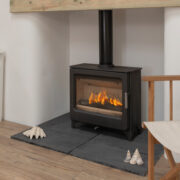
Few home improvements create the same visual impact as a beautifully installed wood stove. Available in traditional and contemporary designs, today’s stoves can become a stunning focal point, enhancing your interior décor and giving your home a distinctive, welcoming feel.
4. Enhance Your Property’s Appeal
A professionally installed wood burning stove can be an attractive feature for prospective buyers. Although an increase in property value cannot be guaranteed, a stylish stove can make your home more desirable and memorable when compared with similar properties.
5. Modern Efficiency and Performance
Today’s high-quality, Ecodesign-compliant wood stoves are engineered to burn fuel more efficiently and produce fewer emissions than older models. Choosing suitable dry, seasoned wood and operating your stove correctly helps maximise performance while minimising unnecessary smoke and pollution.
6. An Investment in Everyday Living
Beyond the practical benefits, a wood stove offers something special: the relaxing sight of real flames, the gentle crackle of burning logs and the pleasure of gathering together around a warm fire.
Make the Right Choice for Your Home
For safety, performance and peace of mind, always choose a suitably qualified, HETAS-registered installer who can ensure your stove meets the relevant building regulations.
A wood burning stove isn’t simply another home improvement. It’s an investment in comfort, style and enjoyment for years to come.
Like to discuss your options?
Please do get in touch and one of our expert engineers (HETAS) registered will be happy to assist you.