
• Link to WhatsApp
  • Link to Facebook
  • Link to Instagram
CALL US: 0800 233 5052
  • Shopping Cart Shopping Cart
    0Shopping Cart
Kent Stoves
  • Stove Fitting
  • Sweep & Service
  • Blog
  • Catalogue
  • Contact
  • Quick Quote
  • Click to open the search input field Click to open the search input field Search
  • Menu Menu
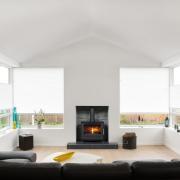
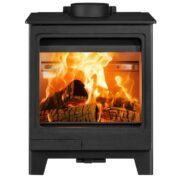
heta stove in room installed

Is It Time To Get A Stove Before Winter ?

19th August 2026/by Steve Grant

Is It Time To Get A Stove Before Winter ? Colder weather on the way!

The hot summer weather may still be fresh in our minds, but the cooler evenings are beginning to remind us that autumn and winter are not far away. Now is the ideal time to think ahead and make sure your home is ready for the colder months. One increasingly popular way to create a warmer, more welcoming home is by installing a wood-burning stove.

A wood stove provides something that conventional heating often struggles to match. Powerful, comfortable heat combined with the atmosphere of a real fire. On a cold winter evening, there are few things more inviting than the sight and warmth of a stove burning steadily in the heart of the home.

Practical benefits

There can also be important practical benefits. A modern, efficient wood-burning stove can provide concentrated heat exactly where it is needed. And potentially reducing the amount of time your main central-heating system needs to operate. For homeowners facing high gas, oil or electricity costs, that additional heating option can be particularly attractive.

Modern stoves are considerably more efficient than traditional open fireplaces. Instead of allowing much of the heat to disappear up the chimney, a correctly installed stove is designed to transfer far more useful heat into the room.

Home independence

A wood stove can also provide greater independence. If your normal heating system develops a problem during a cold spell, having a second reliable source of heat can be extremely reassuring. For households with access to a suitable and responsibly sourced supply of firewood, it can also provide greater flexibility over how the home is heated.

There is an aesthetic advantage too. A well-chosen stove can become a genuine focal point, whether your home is traditional, contemporary or somewhere in between. With many different designs, sizes and outputs available, there is usually an option suitable for most properties.

Get prepared

The important thing is not to leave your decision until the first really cold weather arrives. Installation requires proper planning, including choosing the correct stove output, assessing the chimney or flue and ensuring the installation meets the relevant safety requirements.

Winter always arrives sooner than expected. Preparing now means that when temperatures finally fall, you can simply light the stove. And settle back and enjoy a wonderfully warm home.

Like to discuss your options?

Please do get in touch and one of our expert engineers (HETAS) registered will be happy to assist you.
https://kent-stoves.com/wp-content/uploads/2020/09/heta_55.jpg 1280 2165 Steve Grant https://kent-stoves.com/wp-content/uploads/2021/06/kent_stoves.png Steve Grant2026-08-19 15:54:362026-09-27 23:16:50Is It Time To Get A Stove Before Winter ?
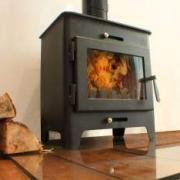
hunter herald front

Which Wood Is Best For A Logburner ?

12th August 2026/by Steve Grant

Which Wood Is Best For A Logburner ? Hardwood or softwood?

Choosing the right firewood can make a significant difference to the performance, efficiency and enjoyment of a wood-burning stove. While both hardwood and softwood can be burned successfully when properly seasoned, hardwood is generally the better choice for long, steady heating.

Hardwoods such as oak, ash, beech, and birch are denser than most softwoods. This greater density means that a hardwood log normally contains more usable energy for its size. Once the stove is up to temperature, hardwood tends to burn more slowly and steadily, producing useful heat over a longer period.

This is particularly valuable during cold winter evenings. Instead of continually opening the stove and adding more logs, good-quality hardwood can provide a longer-lasting fire with a strong bed of glowing embers. Fewer refuelling cycles can also make the stove easier and more convenient to operate.

Softwoods such as pine, spruce and fir are less dense and generally burn more rapidly. They can produce excellent initial heat and are particularly useful for kindling or getting a cold stove up to operating temperature quickly. However, because they burn faster, more logs may be required to maintain the same period of heating.

Calmer and far less work

Hardwood can also provide a calmer, more controlled flame once the fire is established. This makes it well suited to homeowners who want sustained room heat rather than a short burst of intense flame.

However, the most important consideration is moisture content. Wet hardwood is far worse than properly dried softwood. Firewood should ideally have a moisture content below 20 per cent before being burned. Dry wood burns hotter and more efficiently and produces less smoke and fewer deposits inside the stove and chimney.

Cost should therefore be considered according to heat produced rather than simply the price of a load of logs. A cheaper load of fast-burning wood may not necessarily represent better value.

For many stove owners, the ideal arrangement is simple: use dry softwood or kindling to establish the fire quickly, then add seasoned hardwood for sustained heating.

When properly dried, quality hardwood provides long burn times, steady heat and fewer refuelling interruptions, making it an excellent everyday fuel for an efficient wood-burning stove.

Help needed?

Please do get in touch and one of our expert engineers (HETAS) registered will be happy to assist you.
 

https://kent-stoves.com/wp-content/uploads/2021/02/hunter-herald-allure-4-stove-2.jpg 715 650 Steve Grant https://kent-stoves.com/wp-content/uploads/2021/06/kent_stoves.png Steve Grant2026-08-12 17:04:202026-09-27 23:17:09Which Wood Is Best For A Logburner ?
beltane brue stove side

Will A Log Burner Reduce My Heating Bills ?

30th July 2026/by Steve Grant

Will A Log Burner Reduce My Heating Bills ? Good potential Savings from Heating with a Wood Stove

A modern wood-burning stove can reduce household heating costs, but the saving depends on the price of logs, the efficiency of the stove, the size of the heated area and which fuel it replaces.

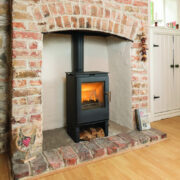
Electric heating offers the greatest potential saving. From July to September 2026, capped electricity costs are 26.11p per kilowatt-hour, compared with approximately 7.33p for mains gas. Because direct electric heaters convert electricity into heat at almost 100% efficiency, each useful kilowatt-hour still costs roughly 26p. Properly seasoned logs bought in bulk can often provide useful heat more cheaply, meaning a household heating one or two main rooms could potentially cut that portion of its electric-heating expenditure by 40% to 65%.

Savings against oil heating may be more moderate. Heating-oil prices fluctuate and were around 77p to 88p per litre in early July 2026, depending on region and order size. A well-operated modern stove using competitively priced dry logs may save approximately 15% to 40% compared with oil, particularly when it replaces daytime heating of the whole house with targeted heating of occupied rooms.

The comparison with mains gas is less straightforward because gas remains relatively inexpensive per unit of energy. Purchased kiln-dried hardwood can cost around £160 to £165 per loose cubic metre before delivery charges. At these prices, a stove may produce a saving over an efficient gas boiler.

Zonal heating = Big Savings

The largest savings come from using the stove as supplementary, zoned heating rather than attempting to heat the entire property. Turning down the central-heating thermostat and warming only the living area can avoid heating unused bedrooms and hallways.

Installation, chimney sweeping, maintenance and log storage must also be included. Only dry, suitable fuel should be burned, and any new stove should comply with Ecodesign requirements. Overall, wood offers the strongest financial advantage against electricity, an advantage against oil, and a smaller, fuel-dependent advantage against mains gas.

Like to discuss your options?

Please do get in touch and one of our expert engineers (HETAS) registered will be happy to assist you.
 

https://kent-stoves.com/wp-content/uploads/2021/02/0012398_beltane-brue-ecodesign.jpeg 750 750 Steve Grant https://kent-stoves.com/wp-content/uploads/2021/06/kent_stoves.png Steve Grant2026-07-30 20:41:282026-09-27 23:17:29Will A Log Burner Reduce My Heating Bills ?
saltfire 1 side

What Size Stove Do I Need ?

21st July 2026/by Steve Grant

What Size Stove Do I Need ?  Where best to fit a new wood stove

When fitting a new log burner, choosing the correct position is as important as choosing the stove itself. The best location is normally a central living area where heat can circulate into adjoining rooms. An existing fireplace and chimney often provide the most practical position, but the chimney must be inspected, swept and tested before installation. It may require a suitable flue liner.

The stove must stand on a compliant, non-combustible hearth and have the clearances specified by its manufacturer. Keep it safely away from timber, furniture, curtains, electrical fittings and other combustible materials.

The flue should take the safest, direct route upwards, with as few bends as possible. Good ventilation is essential because the fire needs a reliable air supply. Larger appliances may require a permanent air vent. A carbon-monoxide alarm must also be installed in the room.

Always use a HETAS-registered installer. The installer should assess the fireplace, hearth, chimney, ventilation and terminal position as one complete system. In a smoke-control area, wood may generally only be burned in a suitable exempt appliance, using the fuel permitted for that model.

How do I calculate the Kw I need?

To estimate the output required, measure the room’s length, width and height in metres. Multiply these figures to obtain its volume in cubic metres. A commonly used starting point for an average insulated room is:

Room volume ÷ 14 = approximate stove output in kW.

For example, a room measuring 5 metres by 4 metres with a 2.4-metre ceiling has a volume of 48 cubic metres. Dividing 48 by 14 gives approximately 3.4kW.

This calculation is only a guide. An older property with solid walls, draughts, high ceilings or large areas of glazing may need more heat. A modern, well-insulated room may need less. Open-plan layouts also affect heat distribution.

Avoid buying an oversized stove. Running a large appliance slowly can produce poor combustion, dirty glass, tar deposits and excessive smoke. A correctly sized stove operated at its intended temperature will usually be cleaner, safer and more efficient. Final sizing should be confirmed by a competent installer after a proper heat-loss assessment.

Like to discuss your stove size options?

Please do get in touch and one of our expert engineers (HETAS) registered will be happy to assist you.
 

https://kent-stoves.com/wp-content/uploads/2020/01/saltfirest1b.jpg 234 345 Steve Grant https://kent-stoves.com/wp-content/uploads/2021/06/kent_stoves.png Steve Grant2026-07-21 15:14:132026-09-27 23:18:03What Size Stove Do I Need ?
beltane stove ecodesign

Do I Need A New Stove ?

16th July 2026/by Steve Grant

Do I Need A New Stove ? New v’s Old

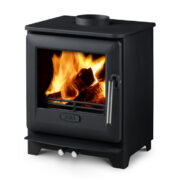
Upgrading from an older wood-burning stove to a modern model can bring major improvements in efficiency. As well as comfort, safety and environmental performance. Older stoves were often built with basic combustion systems, meaning much of the heat produced disappeared up the chimney. A modern stove is designed to burn fuel more completely, allowing more heat to enter the room while using less wood.

One of the strongest reasons to upgrade is lower fuel consumption. Also modern stoves control airflow more accurately and often include advanced combustion technology that burns gases and particles that older appliances would release unused. This means fewer logs are needed to produce the same level of warmth. Thus helping to reduce running costs and the time spent purchasing, storing and carrying fuel.

Is a new stove cleaner?

A newer stove will provide cleaner combustion. Older appliances may create more smoke, soot and tar, particularly when the fire is operated at a low temperature or damp wood is used. Modern designs usually achieve higher combustion temperatures and better airflow. Which can reduce smoke deposits in the flue and help keep the glass cleaner. Cleaner burning may also lower the risk of chimney problems, although regular sweeping and maintenance remain essential.

Safety is another important benefit. Over time, stove doors, seals, fire bricks and internal components can deteriorate. An older stove may develop air leaks, poor control or damaged parts that reduce performance. A professionally installed modern replacement will include updated components. And can be checked alongside the chimney, hearth and ventilation.

More control

Modern stoves are generally easier to control. Improved air controls allow the fire to respond more quickly, making it easier to maintain a comfortable and steady room temperature. Many newer models also have larger viewing windows. With cleaner lines and more attractive finishes, giving the room a brighter, more contemporary appearance.

An upgrade may also improve the appeal of the property. Buyers increasingly look for efficient, well-maintained heating features. And a modern stove can become an attractive focal point.

Before replacing any appliance, it is sensible to obtain advice from a qualified stove installer (HETAS) registered. They can assess the chimney, room size, ventilation and heat requirements. A correctly sized modern stove, used with properly seasoned wood, can offer better warmth, lower fuel use and greater peace of mind.

Like to discuss your options?

Please do get in touch and one of our expert engineers (HETAS) registered will be happy to assist you.
 

https://kent-stoves.com/wp-content/uploads/2021/01/0012408_beltane-brue-logstore-ecodesign.jpeg 750 750 Steve Grant https://kent-stoves.com/wp-content/uploads/2021/06/kent_stoves.png Steve Grant2026-07-16 12:40:482026-09-27 23:18:24Do I Need A New Stove ?
saltfire close up

Are Log Burners Good For The Environment ?

8th July 2026/by Steve Grant

Are Log Burners Good For The Environment ? 

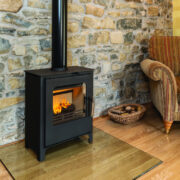
Wood-burning stoves are good for the environment when they are used correctly, fitted properly, and fuelled with the right type of wood. While they still need responsible use, a modern stove is more efficient and sustainable. A great way to heat a home rather than relying only on fossil-fuel heating.

One of the main environmental benefits is that wood is a renewable fuel. Trees can be replanted and managed through sustainable forestry, meaning the supply can be renewed over time.

For example, if a household buys logs from a local supplier who uses managed woodland, the wood can come from trees that are replaced by new planting. This creates a natural cycle, rather than depending on coal, oil, or gas, which are limited resources.

Eco Log Burners Use Less Fuel

A good modern wood-burning stove is also much more efficient than an open fire. An open fire loses a large amount of heat straight up the chimney. Whereas a stove is designed to hold and release heat into the room. This means less fuel is needed to produce the same warmth. For example, one basket of properly seasoned logs in a stove may heat a living room for several hours, while an open fire may need constant feeding to achieve a similar result.

Wood-burning stoves can also help reduce a household’s reliance on central heating. During colder months, many people use a stove to warm the main room they are sitting in, instead of heating the whole house. This can reduce energy use, especially when only one or two rooms are being used.

Another benefit is that wood can be sourced locally. Local logs reduce the need for long-distance transport. This helps cut down fuel use and emissions from delivery. Using dry, seasoned wood is especially important because it burns hotter and cleaner than damp wood.

For the best environmental outcome, homeowners should use a modern efficient stove, burn only dry untreated wood. And have the chimney swept regularly, and avoid burning painted or waste timber.

Like to discuss your options?

Please do get in touch and one of our expert engineers (HETAS) registered will be happy to assist you.
 

https://kent-stoves.com/wp-content/uploads/2018/10/Saltfire_ST1_Vision_primary_image_room_setting_ZOOMED_preview.jpeg 878 1280 Steve Grant https://kent-stoves.com/wp-content/uploads/2021/06/kent_stoves.png Steve Grant2026-07-08 17:21:212026-09-27 23:18:47Are Log Burners Good For The Environment ?
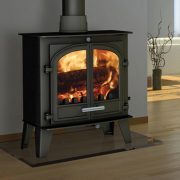
ludlow small stove

Do I Need A HETAS Engineer To Fit My Stove ?

2nd July 2026/by Steve Grant

Do I Need A HETAS Engineer To Fit My Stove ? Why use a (HETAS) Registered Fitter When Installing or Repairing a Wood Stove?

Installing or repairing a wood stove is not a job where corners should be cut. A stove may look simple from the outside, but it is connected to a chimney system. And ventilation, fire safety rules and building regulations. This is why using a HETAS registered fitter is so important.

A (HETAS) registered installer has been trained to work with solid fuel appliances, including wood burning stoves, flues, hearths and chimney systems. They understand how to install a stove safely, how to check the flue draw, how to position the appliance correctly and how to make sure there is enough ventilation. Poor installation can lead to smoke leakage, chimney fires, carbon monoxide risks and inefficient burning.

Regulations

Another key reason is compliance. In England and Wales, stove installations must meet Building Regulations. A (HETAS) registered installer can usually self-certify the work and provide a Certificate of Compliance after completion. This certificate is important because it proves the installation has been carried out to the required standard. It may also be needed when selling a property or dealing with home insurance matters. HETAS confirms that registered installers can issue this compliance certificate for completed installation work.

Using a registered fitter also protects the long-term performance of the stove. Correct fitting helps the appliance burn cleaner, heat more efficiently and reduce problems such as tar build-up, poor draw, smoke blowback or cracked components. When repairs are needed, a qualified fitter can identify whether the issue is with the stove, flue, chimney, seals, baffle plate, ventilation or fuel use.

A wood stove is a valuable feature in the home, but only when it is safe, legal and properly maintained. A cheap or unqualified repair can cost more in the long run if faults are missed or the installation fails inspection.

Choosing a (HETAS) registered fitter gives peace of mind. You know the work is being carried out by someone trained, assessed and familiar with the correct standards. For safety, compliance, efficiency and property protection, it is always the sensible choice.

Like to discuss your options?

Please do get in touch and one of our expert engineers (HETAS) registered will be happy to assist you.
https://kent-stoves.com/wp-content/uploads/2021/04/ludlow-small-stove-left.jpg 700 700 Steve Grant https://kent-stoves.com/wp-content/uploads/2021/06/kent_stoves.png Steve Grant2026-07-02 16:53:412026-09-27 23:19:08Do I Need A HETAS Engineer To Fit My Stove ?
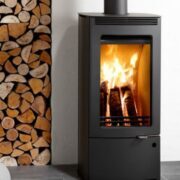
beltane chew eco front

Is A Log Burner Better Than An Open Fire ?

25th June 2026/by Steve Grant

Is A Log Burner Better Than An Open Fire ? Open fireplace v’s fitted wood stove

A wood stove is generally a much better option than an open fireplace because it provides more heat. And uses less fuel, and is far more controlled. While an open fire may look traditional and attractive, much of the heat it creates is lost straight up the chimney. In many homes, an open fireplace can actually pull warm air out of the room, making the rest of the property feel colder. A wood stove is designed to keep heat inside the appliance and release it steadily into the room.

One of the biggest advantages of a wood stove is efficiency. A good stove burns wood more completely, meaning you get more warmth from each log. This can reduce the amount of fuel needed and make heating a room more cost-effective over time. With an open fire, wood often burns quickly and unevenly, so you may find yourself constantly adding more logs without getting the same level of useful heat.

Cleaner and easier to control

A wood stove is also easier to control. The airflow can be adjusted, allowing the fire to burn hotter, slower, or more steadily depending on what is needed. This makes it more practical for everyday heating. An open fire is harder to manage, and sparks, smoke, and falling embers can create more mess and risk.

Log Burner Safety

Safety is another important benefit. A stove contains the flames behind a door, reducing the chance of sparks escaping into the room. This can be especially useful in homes with children, pets, carpets, or soft furnishings. The glass door still allows you to enjoy the look of the fire, but with much greater protection.

Wood stoves will also improve the appearance and value of a room. They create a strong focal point and can suit both traditional and modern homes. Many buyers see a fitted stove as a practical and attractive feature, particularly where energy costs are a concern.

Like to discuss your options?

Please do get in touch and one of our expert engineers (HETAS) registered will be happy to assist you.
 

https://kent-stoves.com/wp-content/uploads/2017/09/0012412_beltane-chew-ecodesign.jpeg 750 750 Steve Grant https://kent-stoves.com/wp-content/uploads/2021/06/kent_stoves.png Steve Grant2026-06-25 16:24:282026-09-27 23:19:27Is A Log Burner Better Than An Open Fire ?
sonderskoven stove large

Is A Log Burner A Good Investment

17th June 2026/by Steve Grant

Is A Log Burner A Good Investment? Can I increase the value of my property?

Installing a wood stove can potentially increase the value of your property, but the level of impact depends on the type of home, location, installation quality, and what buyers in your area are looking for.

A professionally (HETAS) registered installed wood stove can make a property feel warmer, more characterful, and more energy conscious. For many buyers, especially in rural, semi-rural, or older homes, a wood stove is seen as a desirable feature. It can create a strong focal point in a living room and add a sense of comfort that standard heating alone may not provide.

Very practical

There is also a practical benefit. With energy costs remaining a concern for many households, buyers may value having an additional heat source. A wood stove can reduce reliance on central heating, particularly during colder months, and this can make the home feel more efficient and resilient.

The stove must be installed correctly, comply with all relevant building regulations, and come with proper certification. Poor installation, lack of paperwork, or an unsuitable stove could reduce buyer confidence rather than improve it. Buyers may also consider ongoing costs such as chimney maintenance, fuel storage, servicing, and insurance requirements.

The style of the property matters too. In a cottage, farmhouse, country home, or period property, a wood stove may strongly enhance appeal. In a modern flat or highly urban property, the impact may be smaller, and some buyers may be more concerned about emissions, air quality, or local restrictions.

Overall, a wood stove is more likely to improve saleability than dramatically increase the formal valuation. It can help your property stand out, make rooms feel inviting, and strengthen emotional appeal during viewings. If installed to a high standard, with the right stove for the size and style of the home, it can be a worthwhile improvement.

Like to discuss your options?

Please do get in touch and one of our expert engineers (HETAS) registered will be happy to assist you.

https://kent-stoves.com/wp-content/uploads/2017/09/Sonderskoven-Traditional.jpg 500 500 Steve Grant https://kent-stoves.com/wp-content/uploads/2021/06/kent_stoves.png Steve Grant2026-06-17 17:27:462026-09-27 23:19:58Is A Log Burner A Good Investment
westfire uniq 33 side

How Does A Log Burner Work ?

9th June 2026/by Steve Grant

How Does A Log Burner Work ? How the get the best out of your wood stove

Getting the best efficiency from a log burner starts with using the right fuel. Always burn dry, well-seasoned wood with a moisture content below 20%. Wet logs waste heat because much of the energy is used to boil off water, causing poor heat output, excess smoke, tar build-up and dirty glass. Hardwood such as oak, ash, beech and birch usually burns longer and hotter than softwood, although properly dried softwood can be useful for kindling.

Air flow is vital

Good airflow is also essential. When lighting the stove, open the air vents fully to get a strong flame quickly. Once the fire is burning well, reduce the airflow gradually, but never shut it down so much that the fire smoulders. A bright, active flame is more efficient than a slow, smoky burn. Smouldering fires create soot, waste fuel and increase chimney deposits.

Don’t overload your stove!

Load the stove correctly. Do not overfill it, as this can restrict airflow and reduce efficiency. Add one or two logs at a time and allow enough space for air to circulate. Smaller logs usually burn more cleanly than very large pieces because they catch faster and reach a better temperature.

Keep the stove and chimney clean. Empty excess ash regularly but leaving a thin ash bed can help maintain heat in some stoves. Clean the glass and check the door seals, because poor seals allow uncontrolled air into the stove and reduce performance. The chimney should be swept at least once a year, or more often if the stove is heavily used.

Finally, use the stove thermometer if you have one. Running the burner in the correct temperature range helps avoid both under-burning and over-firing. A well-maintained stove, dry logs and careful airflow control will give more heat, use less fuel and keep the appliance safer for longer.

Like to discuss your options?

Please do get in touch and one of our expert engineers (HETAS) registered will be happy to assist you.
https://kent-stoves.com/wp-content/uploads/2017/07/westfire_uniq_33_defra_approved_woodburning_stove.jpg 650 591 Steve Grant https://kent-stoves.com/wp-content/uploads/2021/06/kent_stoves.png Steve Grant2026-06-09 17:02:152026-09-27 23:20:20How Does A Log Burner Work ?
Page 2 of 39‹1234›»

Pages

  • Blog
  • Catalogue
  • Contact
  • Privacy Policy Cookie Policy & GDPR
  • Quick Quote
  • Stove Fitting
  • Stove Removal Service
  • Sweep & Service
  • Testimonials old
  • Thank you

Categories

  • Uncategorised

Archive

  • November 2026
  • October 2026
  • September 2026
  • August 2026
  • July 2026
  • June 2026
  • May 2026
  • April 2026
  • March 2026
  • February 2026
  • January 2026
  • December 2025
  • November 2025
  • October 2025
  • September 2025
  • August 2025
  • July 2025
  • June 2025
  • May 2025
  • April 2025
  • March 2025
  • February 2025
  • January 2025
  • December 2024
  • November 2024
  • October 2024
  • September 2024
  • August 2024
  • July 2024
  • June 2024
  • May 2024
  • April 2024
  • March 2024
  • February 2024
  • January 2024
  • December 2023
  • November 2023
  • October 2023
  • June 2021
  • May 2021
  • April 2021
  • March 2021
  • February 2021
  • January 2021
  • December 2020
  • October 2020
  • September 2020
  • August 2020
  • July 2020
  • June 2020
  • May 2020
  • April 2020
  • March 2020
  • February 2020
  • January 2020
  • November 2019
  • October 2019
  • September 2019
  • August 2019
  • July 2019
  • June 2019
  • May 2019
  • April 2019
  • March 2019
  • February 2019
  • January 2019
  • December 2018
  • November 2018
  • October 2018
  • September 2018
  • August 2018
  • July 2018
  • June 2018
  • May 2018
  • April 2018
  • March 2018
  • February 2018
  • January 2018
  • December 2017
  • November 2017
  • October 2017
  • September 2017
  • August 2017
  • July 2017
  • June 2017
  • May 2017
  • April 2017
  • March 2017
  • February 2017
  • January 2017
  • December 2016
  • November 2016
  • October 2016
  • September 2016
  • August 2016
  • July 2016
  • June 2016
sia ecodesign ready
environment
KENT STOVES LOWEST PRICE PROMISE
© Copyright 2026 Kent Stoves Whitstable Kent CT5 3QZ. Call 0800 2335052 | Privacy & Cookie Policy
  • Link to WhatsApp
  • Link to Facebook
  • Link to Instagram
  • Quick Quote
  • Contact
Scroll to top Scroll to top Scroll to top
GDPR Cookie Banner

We are using cookies to give you the best experience on our website.

You can find out more about which cookies we are using or switch them off in .