Do I Need A HETAS Registered Fitter ?

Why choosing a HETAS registered fitter is a smart move.

Buying a new wood-burning stove is an investment in your home, so it makes sense to protect that investment with a professional installation.

Choosing a HETAS Registered Installer gives you confidence that your stove is being fitted by someone who has demonstrated the required competence to carry out solid-fuel installation work safely and correctly.

A wood-burning stove installation involves much more than simply connecting a stove to a chimney. Your installer needs to consider the flue or chimney system, ventilation, hearth requirements, clearances from combustible materials and the safe operation of the appliance. Every part of the installation needs to work together properly.

Using an experienced HETAS Registered Installer helps reduce the risk of problems caused by poor installation, including smoke entering the room, inadequate draught, overheating, chimney issues and potentially dangerous carbon monoxide.

There is also the important question of Building Regulations compliance.

Where the work falls within their registered scope, a HETAS Registered Installer can self-certify the installation through the Competent Person Scheme and arrange the relevant notification. This means you should receive certification confirming that the installation complies with the applicable Building Regulations.

That paperwork can be valuable in the future, particularly if you decide to sell your property.

Using a properly qualified installer can also save you the inconvenience of arranging separate Building Control approval yourself.

Most importantly, a professional installation helps you get the best from your new stove. Correct installation can contribute to better performance, cleaner burning and more efficient use of fuel, while giving you greater confidence every time you light the fire.

Don’t Take Chances with Your Stove Installation

You may spend thousands of pounds choosing the perfect stove, fireplace and finish. The installation should never be the place to cut corners.

For a safe, professional and compliant wood-burning stove installation in the UK, always choose a suitably qualified HETAS Registered Installer.

Ready to install your new wood-burning stove? Contact us today for expert advice, a professional installation and a quotation.


best stove for me

Does My Stove Need A Service ?

Does My Stove Need A Service ?

Are You Prepared for Winter?

As colder weather approaches, your wood stove will become a hard-working appliance in your home. Before lighting the first fire, make sure the stove, flue and chimney are ready to operate efficiently.

Over time, soot, ash and creosote can build up inside the stove and chimney. Creosote is highly combustible, and excessive deposits can increase the risk of a chimney fire. A professional chimney sweep can remove these deposits while checking for blockages. And fix damage, poor seals and other problems that may prevent smoke and gases from escaping safely.

The stove itself needs attention. Door ropes and seals will wear out, firebricks may crack, baffle plates can become damaged, and air controls can stiffen or stop working correctly. Even a small fault can reduce efficiency and make it harder to control the fire. Replacing worn parts before winter is normally quicker and less disruptive than arranging an emergency repair during a cold spell.

Why Wood Stove Maintenance Matters.

Regular maintenance will save money. A clean, functioning stove burns seasoned wood more efficiently and produces more useful heat from each log. If airflow is restricted or seals are leaking, fuel may burn too quickly, too slowly or incompletely. This means you could use more wood while receiving less heat. Correct maintenance helps the stove reach its intended performance. Thus reducing wasted fuel and potentially lowering heating costs throughout the winter.

There are simple checks homeowners can carry out, including emptying excess ash, inspecting the glass, checking seals and keeping the area around the stove clear. However, chimney sweeping, flue inspection and significant repairs should be completed by a suitably qualified professional.

Finally, check that smoke and carbon monoxide alarms are working and replace batteries where necessary. Never burn wet, painted or treated wood, as it can create excessive smoke, harmful fumes and faster deposits.

Preparing your wood stove before the season provides peace of mind. It protects your home, improves heat output, reduces the chance of breakdowns and can make every load of firewood go further. A modest maintenance cost now could prevent a larger bill later.

Please do get in touch and one of our expert engineers (HETAS) registered will be happy to assist you.
Cast Iron or Steel Stove ?

Cast Iron or Steel Stove ? Which wood stove is best for me?

Cast iron and steel wood stoves perform the same basic job. However they differ in the way they heat a room, respond to temperature changes and look in the home.

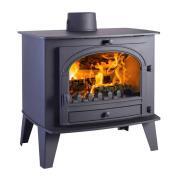
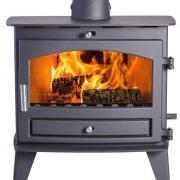
A cast iron stove is made from molten iron poured into moulded sections, which are then bolted or sealed together. Cast iron is thick and heavy, so it takes longer to warm up. Once hot, however, it stores heat extremely well and continues releasing warmth after the fire has started to die down.

This makes it particularly suitable for rooms where steady, long-lasting heat is preferred. Cast iron can also be formed into decorative patterns, giving these stoves a traditional appearance that suits cottages and period properties.

A steel stove is manufactured from welded sheets of steel. It normally heats up more quickly than cast iron, meaning the room begins to feel warm sooner after lighting the fire. It also cools more quickly when the fire goes out. This faster response can be useful in modern, well-insulated homes or rooms used only at certain times of day. Steel models generally have cleaner lines and a simpler, contemporary appearance.

Both materials are strong and capable of lasting for many years when the stove is correctly installed, operated and maintained. Cast iron is durable but can crack if subjected to severe impact or sudden temperature changes. Its joints and seals may eventually require attention. Steel is less brittle and has fewer separate sections, although prolonged overfiring can cause the body to warp.

Iron or Steel Stove Cost?

Price depends more on the manufacturer, efficiency, output and features than on the material alone. Neither type is automatically more efficient: efficiency is determined by the stove’s overall design, combustion system and correct sizing for the room.

Regular chimney sweeping and dry, seasoned wood are equally important. The best choice therefore depends on how the stove will be used. Choose cast iron for traditional styling, excellent heat retention and gradual warmth. Choose steel for quicker heating, responsive control and a modern finish. In either case, select an appropriately sized, Ecodesign-compliant model and have it installed by a suitably qualified professional.

Like to discuss your stove options?

Please do get in touch and one of our expert engineers (HETAS) registered will be happy to assist you.