log burner are stove installations cheaper in summer

Is It Time To Get A Stove Before Winter ?

Colder weather on the way!

The hot summer weather may still be fresh in our minds, but the cooler evenings are beginning to remind us that autumn and winter are not far away. Now is the ideal time to think ahead and make sure your home is ready for the colder months. One increasingly popular way to create a warmer, more welcoming home is by installing a wood-burning stove.

A wood stove provides something that conventional heating often struggles to match: powerful, comfortable heat combined with the atmosphere of a real fire. On a cold winter evening, there are few things more inviting than the sight and warmth of a stove burning steadily in the heart of the home.

Practical benefits

There can also be important practical benefits. A modern, efficient wood-burning stove can provide concentrated heat exactly where it is needed, potentially reducing the amount of time your main central-heating system needs to operate. For homeowners facing high gas, oil or electricity costs, that additional heating option can be particularly attractive.

Modern stoves are considerably more efficient than traditional open fireplaces. Instead of allowing much of the heat to disappear up the chimney, a correctly installed stove is designed to transfer far more useful heat into the room.

Home independence

A wood stove can also provide greater independence. If your normal heating system develops a problem during a cold spell, having a second reliable source of heat can be extremely reassuring. For households with access to a suitable and responsibly sourced supply of firewood, it can also provide greater flexibility over how the home is heated.

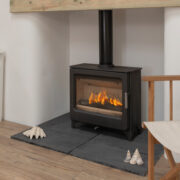
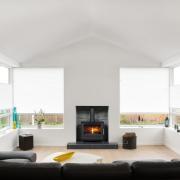
There is an aesthetic advantage too. A well-chosen stove can become a genuine focal point, whether your home is traditional, contemporary or somewhere in between. With many different designs, sizes and outputs available, there is usually an option suitable for most properties.

Get prepared

The important thing is not to leave your decision until the first really cold weather arrives. Installation requires proper planning, including choosing the correct stove output, assessing the chimney or flue and ensuring the installation meets the relevant safety requirements.

Winter always arrives sooner than expected. Preparing now means that when temperatures finally fall, you can simply light the stove, settle back and enjoy a wonderfully warm home.

Like to discuss your options?

Please do get in touch and one of our expert engineers (HETAS) registered will be happy to assist you.
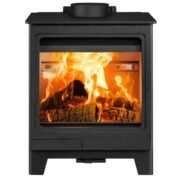
logburner save money

Which Wood Is Best For A Logburner ?

Which Wood Is Best For A Logburner ? Hardwood or softwood?

Choosing the right firewood can make a significant difference to the performance, efficiency and enjoyment of a wood-burning stove. While both hardwood and softwood can be burned successfully when properly seasoned, hardwood is generally the better choice for long, steady heating.

Hardwoods such as oak, ash, beech, and birch are denser than most softwoods. This greater density means that a hardwood log normally contains more usable energy for its size. Once the stove is up to temperature, hardwood tends to burn more slowly and steadily, producing useful heat over a longer period.

This is particularly valuable during cold winter evenings. Instead of continually opening the stove and adding more logs, good-quality hardwood can provide a longer-lasting fire with a strong bed of glowing embers. Fewer refuelling cycles can also make the stove easier and more convenient to operate.

Softwoods such as pine, spruce and fir are less dense and generally burn more rapidly. They can produce excellent initial heat and are particularly useful for kindling or getting a cold stove up to operating temperature quickly. However, because they burn faster, more logs may be required to maintain the same period of heating.

Calmer and far less work

Hardwood can also provide a calmer, more controlled flame once the fire is established. This makes it well suited to homeowners who want sustained room heat rather than a short burst of intense flame.

However, the most important consideration is moisture content. Wet hardwood is far worse than properly dried softwood. Firewood should ideally have a moisture content below 20 per cent before being burned. Dry wood burns hotter and more efficiently and produces less smoke and fewer deposits inside the stove and chimney.

Cost should therefore be considered according to heat produced rather than simply the price of a load of logs. A cheaper load of fast-burning wood may not necessarily represent better value.

For many stove owners, the ideal arrangement is simple: use dry softwood or kindling to establish the fire quickly, then add seasoned hardwood for sustained heating.

When properly dried, quality hardwood provides long burn times, steady heat and fewer refuelling interruptions, making it an excellent everyday fuel for an efficient wood-burning stove.

Help needed?

Please do get in touch and one of our expert engineers (HETAS) registered will be happy to assist you.

 

Do I Need A HETAS Certificate ?

Do I Need A HETAS Certificate ? Why use a registered fitter (HETAS) to install my stove?

Installing a wood-burning stove is not simply a matter of placing an appliance in a fireplace and connecting a flue. The stove, chimney, hearth, ventilation and surrounding materials must all work together safely. Using a HETAS-registered fitter provides reassurance that the installation will be completed by someone trained to understand these important requirements.

A registered installer can assess whether your chosen stove is suitable for the room and property. Stove output must be correctly matched to the space; an appliance that is too powerful may cause overheating and inefficient burning, while one that is too small may struggle to provide sufficient warmth. The installer will also examine the chimney or proposed flue route, identify any defects and recommend the correct lining or system where necessary.

Safety is vital

Fire safety is another major consideration. Required distances from combustible materials, hearth dimensions, ventilation and flue clearances must be carefully calculated. Poor installation can increase the risks of chimney fires, carbon monoxide entering the room, smoke leakage and damage to the building. A competent fitter will also ensure that an appropriate carbon monoxide alarm is positioned correctly.

In England and Wales, stove installations are normally subject to Building Regulations. A suitably registered competent person can self-certify qualifying work, avoiding the need for the homeowner to arrange a separate Building Control application. Once the installation is completed, the homeowner should receive a certificate of compliance. This document may be requested by insurers, solicitors or future buyers when the property is sold.

Registered fitters

A HETAS fitter can also explain how to operate the stove correctly, which fuels to use and how to achieve a cleaner, more efficient burn. Correct use reduces smoke, limits soot and creosote deposits, and helps protect both the appliance and chimney.

Before appointing anyone, check that the business and individual installer are currently registered for the specific work required. Choosing a properly qualified fitter may cost more than an informal installation, but it provides valuable protection.

Like to discuss your options?

Please do get in touch and one of our expert engineers (HETAS) registered will be happy to assist you.