I Need A New Log Burner

Want a new wood stove for your home?

Choosing a new wood stove for your home starts with choosing the right size. A stove that is too small will struggle to heat the room, while one that is too powerful can make the space uncomfortable and encourage poor burning. As a rough guide, measure the room and ask a qualified installer or stove supplier to calculate the correct kilowatt output.

Next, check the rules in your area. Many parts of the UK are smoke control areas. In those areas, you must use an approved appliance or authorised fuel, and wood can only be burned in a Defra-exempt appliance. GOV.UK says penalties can apply if smoke is released from a chimney in a smoke control area or if unauthorised fuel is used incorrectly.

Choose efficiency over a cheap version

Look for a modern Ecodesign stove with good efficiency. These stoves are designed to burn cleaner and use fuel more effectively than older models. Also consider whether you want a wood-only stove or a multi-fuel stove. If you mainly plan to burn logs, a dedicated wood burner is often the better choice.

Fuel quality is very important. Use properly dried wood with low moisture content, ideally “Ready to Burn” certified logs. Damp wood creates more smoke, gives less heat, dirties the glass, and can increase chimney deposits.

Think about installation before buying. Your chimney, flue, hearth, ventilation and clearances all need to be suitable. A HETAS-registered installer can advise on safety and compliance.

Finally, choose a stove that suits your lifestyle. Consider ease of cleaning, glass size, door style, ash removal, warranty, spare parts and aftercare. The best stove is not just the nicest-looking one; it is the one that fits your room, meets the rules, burns efficiently and can be safely installed and maintained for years.

Like to discuss your options?

Please do get in touch and one of our expert engineers (HETAS) registered will be happy to assist you.
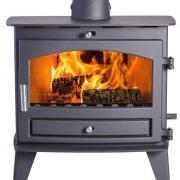
 

Are New Stoves Better ?

Significant changes in the last 20 years to your benefit

Over the last 20 years, wood burning stoves have improved significantly in design, efficiency, safety and environmental performance. Older stoves were often basic metal boxes that produced heat but also wasted a lot of fuel and released more smoke and particulates into the air. Modern stoves are far more advanced and are designed to burn wood more completely, producing more heat from less fuel.

One of the biggest improvements is efficiency. Many newer stoves use better air-control systems, insulated fireboxes and improved combustion technology. This allows the stove to reach higher temperatures and burn the gases and particles that older models would have sent up the chimney. As a result, modern stoves can heat a room more effectively while using fewer logs.

Environmental standards have also become much stricter. Today’s cleaner-burning stoves are built to reduce smoke and emissions. The vast majority of models now meet recognised low-emission standards and are designed for use with properly seasoned or kiln-dried wood. This has helped reduce the impact of wood burning compared with older, inefficient appliances.

Key safety issues

Safety has improved as well. Modern stoves often include better door seals, stronger glass, improved flue connections and clearer installation requirements. These changes help reduce the risk of smoke leakage, overheating and chimney problems. Stove glass has also improved, with air-wash systems helping to keep the viewing window cleaner for longer.

Design has developed too. Wood burning stoves are now available in a wide range of styles, from traditional cast-iron designs to sleek contemporary models. Many are compact, easier to control and better suited to modern homes.

Overall, wood burning stoves have become cleaner, safer, more efficient and more attractive. While they still need correct installation, proper maintenance and suitable fuel, modern stoves are a major improvement on the older models used two decades ago.

Like to discuss your options?

Please do get in touch and one of our expert engineers (HETAS) registered will be happy to assist you.

Low Cost Heating Options

Low Cost Heating Options. This is the right time to install a new wood stove!

If you are looking for cheaper heat next winter, installing a log stove is a practical and attractive way to make your home warmer, more comfortable, and more inviting. A log stove provides a strong, steady heat that can transform a living room into the heart of the home, creating a cosy atmosphere that standard central heating often cannot match.

One of the main reasons to consider a log stove is energy efficiency. Modern stoves are designed to burn wood far more efficiently than an open fire, meaning more heat is produced from less fuel. This can help reduce reliance on gas or electric heating, especially during evenings when you may only need to warm one main room rather than the whole house.

Higher energy costs on the way

A log stove can also offer reassurance during periods of high energy prices or power cuts. Having an additional heat source gives you more control and flexibility, particularly in winter when heating is essential. With properly seasoned logs and responsible use, a stove can be a dependable backup as well as a daily comfort.

There is also a strong lifestyle appeal. The sight and sound of real flames bring a natural warmth and charm to a room. A well-chosen stove can become a stylish feature, adding character to both traditional and modern homes.

Please ensure you use a (HETAS) registered installer

Before installing one, it is important to use a qualified installer, choose the right stove size for your room, and follow local regulations on smoke control and approved fuels. Good ventilation, regular chimney sweeping, and correct fuel storage are also essential.

Overall, a log stove is worth considering because it combines warmth, efficiency, atmosphere, and independence. Installed correctly, it can make next winter more comfortable while adding long-term value and appeal to your home.

Like to know more?

Please do get in touch and one of our expert engineers (HETAS) registered will be happy to assist you.
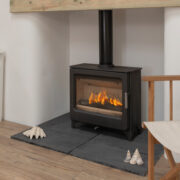
energy efficient stove ovale model hetas registered

Will A Stove Keep Me Warm ?

Will A Stove Keep Me Warm ? Wood stove heat is far more natural

A wood stove often feels better than radiators because it produces a stronger, more natural form of heat. Radiators mainly warm the air around them, which then circulates through the room.

This can create hot and cold patches, especially in larger spaces or rooms with poor airflow. A wood stove, by contrast, gives off a mix of radiant and convective heat. The radiant heat travels directly from the stove to people, furniture, walls, and floors, making the whole room feel warmer and more comfortable.

Quality heat

One of the biggest advantages is the quality of the warmth. Heat from a wood stove feels deeper and more even because it warms solid surfaces, not just the air. Once the room’s walls, floor, and furniture absorb that heat, they release it slowly, helping the room stay warm for longer. Radiators can lose their effect quickly once the central heating switches off, particularly in draughty homes.

A wood stove also provides a strong focal point. The visible flame creates a cosy atmosphere that radiators cannot match. This psychological comfort matters: seeing the fire, hearing the crackle, and feeling direct warmth can make a room feel more inviting, relaxing, and homely.

Independence

Another benefit is independence. A wood stove can still provide heat during power cuts or boiler problems, depending on the setup. It can also reduce reliance on central heating if used sensibly, especially in the main living area.

To get the best results

It is important to use dry, properly seasoned wood and maintain the stove correctly. When used well, a wood stove can offer efficient, comforting, long-lasting heat that feels more natural and satisfying than radiator warmth. Radiators are practical, but a good wood stove gives a room character, atmosphere, and a deeper sense of warmth.

Like to discuss your options?

Please do get in touch and one of our expert engineers (HETAS) registered will be happy to assist you.
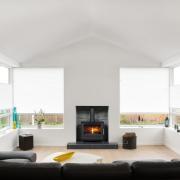
Annual Stove Service

Annual Stove Service. The summer is close so now you need to care for your wood burner

A wood stove still needs attention during the summer months, even when it is not being used regularly. Proper seasonal care helps prevent rust, moisture damage, unpleasant odours, and chimney deterioration. And while also ensuring the stove is ready for safe use when colder weather returns.

The first step is to give the stove and chimney a full clean at the end of the heating season. Remove all ash, soot, and leftover debris from the firebox because ash attracts moisture and can lead to corrosion during warm and humid conditions. The glass should also be cleaned thoroughly using a stove glass cleaner or a damp cloth with stove ash.

The chimney and flue should be inspected and swept by a professional if necessary. Creosote and soot left inside the flue over summer can absorb moisture and create acidic deposits. And these damage metal liners and masonry. A clean chimney also improves airflow and reduces the chance of unpleasant smoky smells entering the room.

Good practice in the summer months

To prevent condensation and rust, keep the stove door slightly open during the summer. This allows air to circulate through the appliance and reduces trapped moisture. If your stove has air vents, leave them partially open as well. In particularly damp homes, using moisture absorbers near the stove can help protect metal surfaces.

It is also important to check rope seals, fire bricks, baffle plates, and external pipework for wear or damage. Summer is the ideal time to replace worn parts before the heating season begins again.

The outside of the stove can be wiped down and treated with stove paint or stove polish if required. Also avoid storing damp logs or combustible materials close to the appliance.

Finally, before autumn arrives, carry out a safety check on smoke alarms and carbon monoxide detectors to ensure everything is working correctly for the next season of use.

Like to discuss your options?

Please do get in touch and one of our expert engineers (HETAS) registered will be happy to assist you.
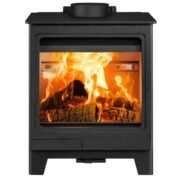
Is a Stove Economical to Run

Is A Stove Economical to Run ? Heat efficient and economical?

A wood stove can be a highly effective and economical way to heat a home, offering both strong heat output and impressive efficiency when used correctly. Unlike many conventional heating systems, a modern wood stove produces a deep, radiant heat that warms not just the air, but also the walls, furniture, and overall structure of a room.

This creates a more consistent and comfortable environment, reducing the need for constant thermostat adjustments.

Super-efficient and money saving!

Contemporary wood stoves are designed to burn fuel more completely, extracting a greater amount of heat from each log. Advanced airflow systems and sealed combustion chambers allow for cleaner burning, meaning less wasted energy and reduced emissions.

Compared to older open fireplaces—which can lose a significant portion of heat up the chimney—a well-installed wood stove can deliver efficiency levels of 70–85% or more.

From a financial perspective, this efficiency translates directly into savings. Wood, especially if sourced locally or in bulk, is often significantly cheaper than gas, electricity, or oil.

For homeowners with access to their own timber or low-cost firewood, heating expenses can drop dramatically over time. Additionally, using a wood stove to supplement central heating allows you to heat only the areas you use most, further reducing energy bills.

Complete heat independence

Another factor contributing to savings is energy independence. With fluctuating fuel prices, relying on electricity or gas can be costly during peak periods. A wood stove provides a stable, controllable heat source that is less affected by market volatility.

In summary, a modern wood stove combines strong, reliable heat with high efficiency, making it a practical solution for reducing heating costs while maintaining a warm and comfortable home environment.

Like to discuss your options?

Please do get in touch and one of our expert engineers (HETAS) registered will be happy to assist you.
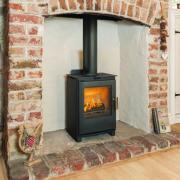
 

Cast Iron or Steel Logburner ?

Cast Iron or Steel Logburner ? Which type of wood stove will suit my needs?

Steel and cast-iron log burners differ mainly in how they heat, retain warmth, and respond to use.

Steel log burners

These are typically made from plate steel. They heat up quickly, meaning you feel warmth in the room soon after lighting the fire. This makes them ideal for spaces where fast heat is needed or for intermittent use.

Steel is also more flexible than cast iron, so it is less prone to cracking under rapid temperature changes. They are often lighter, more modern in design, and usually more affordable. The downside is that they cool down faster once the fire dies, so they provide less residual heat.

Cast iron log burners

Cast Iron log burners are heavier and denser. They take longer to heat up, but once hot, they retain and radiate heat for much longer, even after the fire has gone out. This makes them excellent for maintaining a steady, consistent warmth over time.

Cast iron also offers a more traditional, classic appearance. However, it can be more brittle than steel, meaning it may crack if exposed to sudden temperature shocks. And it is usually more expensive.

In summary, steel suits quick, responsive heating, while cast iron excels in long-lasting heat retention.

Pointers to look out for when selecting your new stove

If a stove is too small for a room, it may struggle to keep the space warm enough. On the other hand, an oversized stove often needs frequent adjustments to avoid overheating. And which can result in incomplete combustion and cause soot to build up on the glass and inside the chimney.

When choosing the right stove output, it’s recommended to opt for a capacity just slightly above your needs (no more than 1.5kW extra) to ensure adequate heating during colder periods.

Like to discuss your options?

Please do get in touch and one of our expert engineers (HETAS) registered will be happy to assist you.
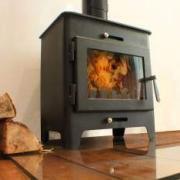
Does My Stove Need A Service ?

Does My Stove Need A Service ? Summer is on its way, time to plan and reduce heating costs in the future

Fitting a new wood stove in the summer is ideal as demand is usually lower. Thus meaning quicker installation times and better availability of installers. You can avoid the autumn and winter rush when heating systems become urgent.

It also gives you time to test the stove, understand how it works, and fix any issues before cold weather arrives. In addition, installation work is less disruptive when you don’t rely on heating daily.

By preparing early, you ensure your home is warm, efficient, and ready for winter without stress or delays.

A wood stove can be a highly effective and practical heating option, particularly for households seeking reliability, efficiency, and independence from modern energy systems. One of its main advantages is its ability to provide consistent heat without relying on electricity or gas. During power outages or supply disruptions, a wood stove continues to operate, making it a dependable backup or primary heat source in colder climates.

Efficiency is another key benefit. Modern wood stoves are designed to burn fuel more completely than traditional open fireplaces. And producing more heat from less wood. Many models include advanced airflow systems that improve combustion, reducing waste and increasing heat output.

Environmentally friendly??

From an environmental perspective, wood can be considered a renewable resource when sourced responsibly. Trees absorb carbon dioxide as they grow, and when burned, the carbon released is roughly equal to what the tree absorbed during its lifetime. High-efficiency stoves also produce fewer emissions compared to older models, helping to minimise their environmental impact.

A wood stove can also contribute to a home’s overall comfort and atmosphere. It produces a radiant, natural heat that many people find more pleasant than forced air systems. The visual appeal of a real flame adds a sense of warmth and character to a living space, often becoming a central feature of the home.

Like to discuss your options?

Please do get in touch and one of our expert engineers (HETAS) registered will be happy to assist you.
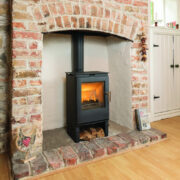
 

log burner are stove installations cheaper in summer

Are Log Burning Stoves Environmentally Friendly?

Are Log Burning Stoves Environmentally Friendly? Ever more popular year on year.

In total, over 250,000 woodstoves were installed in 2025 according to the Stove Industry Alliance. This is up from 238,000 in 2024.

Are wood stoves environmentally friendly?

If you compare using fossil fuels for heat, natural gas, propane, coal, etc. wood is eco-friendlier. It’s considered “carbon-neutral,” which means when it burns, it doesn’t add additional carbon dioxide to the environment.

This is because in its natural state as a tree, wood absorbs carbon dioxide that’s in the atmosphere. During combustion, a balance is maintained.

Keep those heating costs under control

Fuel prices, including electricity, oil, and gas, are rising quickly. Installing a wood burner can help manage these costs.

If you are thinking of installing a wood stove it is recommended to use a registered fitter.

The installation of a wood burner must comply with building regulations and the easiest way to do this is to use a qualified fitter.

HETAS installers handle wood, solid-fuel, and biomass heating appliances, and can self-certify compliance with building regulations for safety and legality.

Benefits of using a registered fitter are numerous.

  • Safety for family
  • Certified and easier to insure your property.
  • Peace of mind
  • Total burner efficiency

Can we help?

For your protection and safety, you should always have a fully qualified HETAS registered professional install your wood/pellet burning appliance. At Kent Stoves, we will evaluate everything for you to ensure your safety and maximise efficiency.


Best Value Log Burner

Best Value Log Burner. Are you aware a professionally fitted wood stove potentially could increase your property value up to 5%?

Always use a HETAS registered fitter to install your stove.

A properly installed wood burning stove can reduce fuel costs significantly but ensure it suits your home.

When selling your home, buyers may request a certificate for the installation. Wood stoves make excellent supplemental heaters and are often more cost-effective than electric heaters, especially if you have access to firewood.

Unique and stylish

As well as giving you a wonderful source of heat which is ideal during those colder months, wood burning stoves also look great. When you add one to your room, you’ll find that the wood burner becomes a new focal point, adding character and style to the living space.

Heat efficiency

Dry, seasoned wood is preferable for burning as it generates more heat and causes less creosote to accumulate in your fireplace and chimney. In contrast, green or unseasoned wood is challenging to ignite and maintain. If your fire smoulders and gives off little warmth, you’re likely using green wood.

Seasoned wood can typically be identified through visual inspection. Externally, it often appears grey and may have a dusty surface, indicating prolonged exposure to the elements. Internally, seasoned wood is usually dry and lighter in colour, frequently exhibiting a whitish tone compared to its exterior. In contrast, freshly cut wood presents a uniform appearance, with consistent coloration throughout, resembling timber recently processed at a mill.

Can we assist?

If you are looking to install a new wood burning stove, please do make contact. And one of our qualified fitters (HETAS registered) will be happy to guide you.