
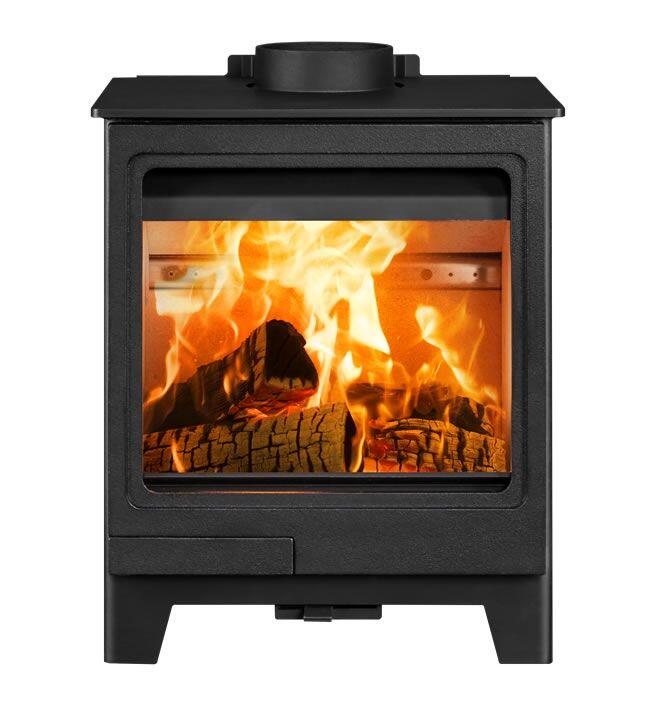
Which Wood Is Best For A Logburner ?
Which Wood Is Best For A Logburner ? Hardwood or softwood?
Choosing the right firewood can make a significant difference to the performance, efficiency and enjoyment of a wood-burning stove. While both hardwood and softwood can be burned successfully when properly seasoned, hardwood is generally the better choice for long, steady heating.
Hardwoods such as oak, ash, beech, and birch are denser than most softwoods. This greater density means that a hardwood log normally contains more usable energy for its size. Once the stove is up to temperature, hardwood tends to burn more slowly and steadily, producing useful heat over a longer period.
This is particularly valuable during cold winter evenings. Instead of continually opening the stove and adding more logs, good-quality hardwood can provide a longer-lasting fire with a strong bed of glowing embers. Fewer refuelling cycles can also make the stove easier and more convenient to operate.
Softwoods such as pine, spruce and fir are less dense and generally burn more rapidly. They can produce excellent initial heat and are particularly useful for kindling or getting a cold stove up to operating temperature quickly. However, because they burn faster, more logs may be required to maintain the same period of heating.
Calmer and far less work
Hardwood can also provide a calmer, more controlled flame once the fire is established. This makes it well suited to homeowners who want sustained room heat rather than a short burst of intense flame.
However, the most important consideration is moisture content. Wet hardwood is far worse than properly dried softwood. Firewood should ideally have a moisture content below 20 per cent before being burned. Dry wood burns hotter and more efficiently and produces less smoke and fewer deposits inside the stove and chimney.
Cost should therefore be considered according to heat produced rather than simply the price of a load of logs. A cheaper load of fast-burning wood may not necessarily represent better value.
For many stove owners, the ideal arrangement is simple: use dry softwood or kindling to establish the fire quickly, then add seasoned hardwood for sustained heating.
When properly dried, quality hardwood provides long burn times, steady heat and fewer refuelling interruptions, making it an excellent everyday fuel for an efficient wood-burning stove.
Help needed?
Please do get in touch and one of our expert engineers (HETAS) registered will be happy to assist you.