Will A Log Burner Reduce My Heating Bills ?
Will A Log Burner Reduce My Heating Bills ? Good potential Savings from Heating with a Wood Stove
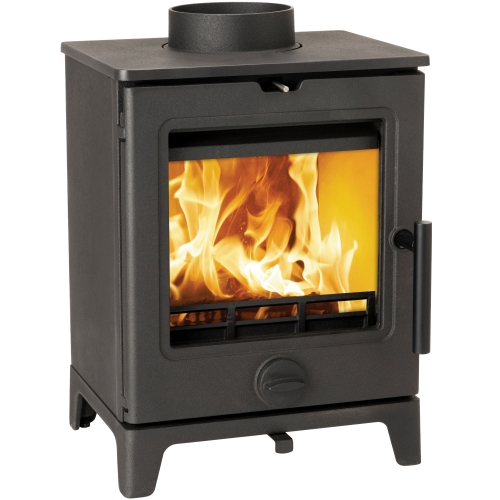
A modern wood-burning stove can reduce household heating costs, but the saving depends on the price of logs, the efficiency of the stove, the size of the heated area and which fuel it replaces.
Electric heating offers the greatest potential saving. From July to September 2026, capped electricity costs are 26.11p per kilowatt-hour, compared with approximately 7.33p for mains gas. Because direct electric heaters convert electricity into heat at almost 100% efficiency, each useful kilowatt-hour still costs roughly 26p. Properly seasoned logs bought in bulk can often provide useful heat more cheaply, meaning a household heating one or two main rooms could potentially cut that portion of its electric-heating expenditure by 40% to 65%.
Savings against oil heating may be more moderate. Heating-oil prices fluctuate and were around 77p to 88p per litre in early July 2026, depending on region and order size. A well-operated modern stove using competitively priced dry logs may save approximately 15% to 40% compared with oil, particularly when it replaces daytime heating of the whole house with targeted heating of occupied rooms.
The comparison with mains gas is less straightforward because gas remains relatively inexpensive per unit of energy. Purchased kiln-dried hardwood can cost around £160 to £165 per loose cubic metre before delivery charges. At these prices, a stove may produce a saving over an efficient gas boiler.
Zonal heating = Big Savings
The largest savings come from using the stove as supplementary, zoned heating rather than attempting to heat the entire property. Turning down the central-heating thermostat and warming only the living area can avoid heating unused bedrooms and hallways.
Installation, chimney sweeping, maintenance and log storage must also be included. Only dry, suitable fuel should be burned, and any new stove should comply with Ecodesign requirements. Overall, wood offers the strongest financial advantage against electricity, an advantage against oil, and a smaller, fuel-dependent advantage against mains gas.
Like to discuss your options?
Please do get in touch and one of our expert engineers (HETAS) registered will be happy to assist you.