Are Log Burners Kind To The Environment ?
Wood Stoves and the environmental benefits
Modern wood stoves can offer environmental advantages when they are installed, efficiently operated and fuelled with responsibly sourced, seasoned wood. Unlike coal, oil and natural gas, wood is a renewable fuel. Trees absorb carbon dioxide while growing, and sustainable forestry replaces harvested trees, helping to maintain a carbon cycle.
Burning wood still releases carbon dioxide, so it should never be described as completely carbon neutral. However, its overall impact can be lower than that of fossil fuels when timber comes from well-managed local woodland and is burned efficiently. Fossil fuels release carbon that has been locked underground for millions of years, adding carbon dioxide to the atmosphere. Wood uses carbon already circulating within the modern biological cycle.
Reduce other energy usage
A wood stove can also reduce reliance on electricity or gas for household heating. This is particularly beneficial when the electricity supply depends heavily on fossil-fuel generation. Heating the rooms that are actually occupied, rather than running whole-house central heating at a high temperature, may reduce total energy consumption and household emissions.
Locally sourced logs require less processing than oil, gas or manufactured fuels and may travel a much shorter distance. Sustainable demand for firewood can also support careful woodland management. Thinning overcrowded woodland and using fallen or low-grade timber can improve tree health, encourage regeneration and create more varied habitats when undertaken professionally.
The modern stove
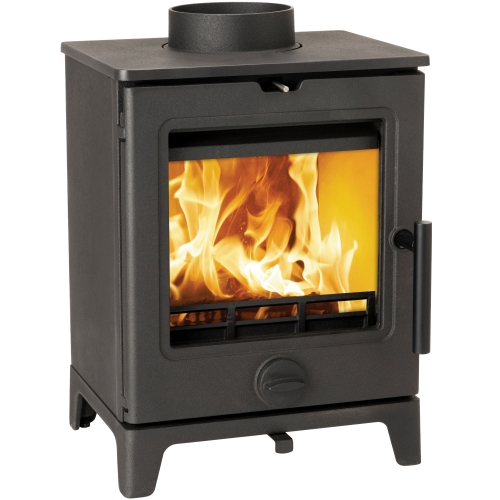
Modern, certified stoves are far cleaner and more efficient than open fires or outdated appliances. They extract more heat from each log and release fewer particulates. Nevertheless, environmental performance depends on responsible use. Owners should choose an appropriately sized, compliant stove, have it installed and serviced professionally, keep the chimney clean and burn only dry, untreated wood. Wet logs produce more smoke, less heat and greater pollution.
Wood stoves are therefore not impact-free, and they may be unsuitable in areas with air-quality restrictions. Yet, when combined with good insulation, efficient burning and sustainable fuel, a modern stove can form part of a lower-carbon heating strategy. Its strongest environmental benefits are renewable fuel use, reduced fossil-fuel dependence, local sourcing and efficient, targeted warmth.
Like to discuss your options?
Please do get in touch and one of our expert engineers (HETAS) registered will be happy to assist you.